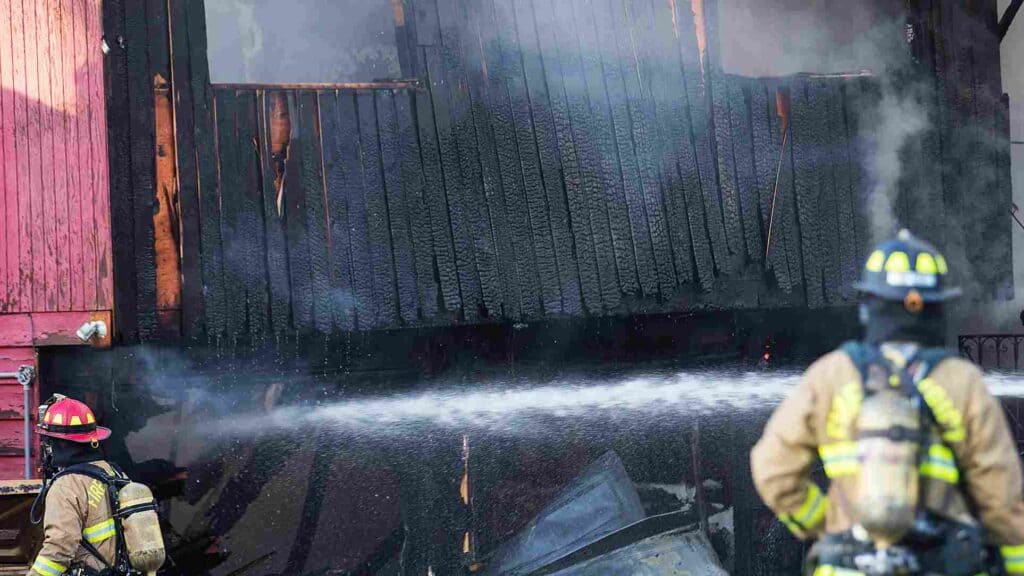
A house fire can leave you with a strange kind of to-do list. Find somewhere to sleep. Call the insurance company. Figure out whether your medications survived. And somehow make decisions about a house you might not even be allowed to enter. You don’t need a rebuilding plan by tonight. But the next 24 hours matter for protecting your home, your insurance claim, and your peace of mind.
Wait for the All-Clear, Even if the Damage Looks Minor
A room doesn’t have to be burned black to be dangerous. Heat can weaken floors and ceilings, smoke can leave harmful residue behind, and damaged wiring or gas lines may be hidden from view. Water from firefighting efforts brings its own hazards, especially around electrical systems.
Don’t go back inside until the fire department says it’s safe. Even then, stay out of restricted areas and don’t turn utilities back on yourself. If someone has trouble breathing, chest pain, significant burns, or other concerning symptoms, seek medical care. Ask how to get a copy of the fire incident report.
Make the Insurance Call Before You Have All the Answers
You don’t need an itemized list of everything you lost to report the fire. Start the claim early. You can update details later. A few questions are worth asking on that first call:
- Can emergency protection start now? Ask what documentation the insurer wants for boarding up openings, covering roof damage, or removing standing water.
- What if you can’t stay home? Ask about additional living expense coverage, temporary accommodations, and which receipts to keep.
- Who is your point of contact? Get your claim number, adjuster’s name, and the best way to send photos and updates.
- What should you leave untouched? Confirm how the insurer wants damaged belongings documented before they’re removed.
Keep your claim number handy.
Take Pictures Before Anyone Starts Moving Things
It’s tempting to start rescuing whatever you can. But an overturned chair, a smoke-stained wall, or a puddle beneath the cabinets can tell an important part of the damage story. Once items are removed or surfaces cleaned, that evidence becomes harder to capture.
If you have permission to enter safely, take wide photos of every affected room, then close-ups of damaged surfaces and belongings. Include areas that weren’t touched by flames but have soot or water damage. Can’t go inside? Photograph what you can from a safe location and let restoration professionals document the rest. Start a simple inventory with item names, approximate ages, and any receipts or old photos you can find. It needn’t be perfect.
Stop the Next Problem Before It Starts
In Tampa Bay, a damaged roof and an afternoon storm are a particularly bad combination. Broken windows and doors can also expose the home to rain, pests, and theft. Meanwhile, soaked drywall, insulation, and flooring can continue deteriorating long after the firefighters leave.
This is where emergency board-up, roof tarping, and professional water mitigation matter. They’re meant to stop damage from spreading, not start renovations. Ask your insurer how to document urgent work, and save photographs, invoices, and receipts. Leave roof access, structural repairs, and electrical hazards to qualified professionals.
Not Everything Needs to Be Thrown Away
Smoke damage can be deceptive. A sofa may look fine but hold a stubborn odor, while a family photograph covered in soot might be restorable by a specialist. The same is true of some clothing, documents, and electronics. You won’t know what’s salvageable just by looking at it.
Resist the urge to scrub soot, plug in smoke-exposed appliances, or run an ordinary vacuum over fire debris. The wrong cleaning method can grind residue deeper into materials or introduce safety risks. Don’t consume food, drinks, or medication exposed to smoke, fire, or extreme heat. For other belongings, photograph them and ask your insurer and restoration team about evaluation before discarding anything unless there’s an immediate safety concern.
Give Yourself Permission to Handle the Human Stuff
The house matters, but so do the people who live in it. Someone needs pajamas for tonight. Someone else needs a prescription refilled. The dog may need a place to stay. These aren’t distractions from recovery. They’re part of it.
If you’re displaced, focus first on a safe place to sleep, medications, identification, chargers, basic clothing, and pet care. Keep receipts for necessary expenses, as some may qualify for reimbursement under your policy. If you need immediate help with shelter or essentials, the American Red Cross may be able to assist. Give friends who offer help something specific to do.
What Should Wait Until Tomorrow?
You may feel pressure to make every decision immediately, particularly when several companies are calling or offering to begin work. Emergency measures to keep the property safe shouldn’t wait, but a full reconstruction contract deserves careful review. Don’t sign on the spot or approve work you don’t understand.
Over the next few days, restoration professionals can assess structural damage, smoke contamination, water damage, and what needs repair or replacement. Ask for a written scope of work and keep copies of messages, estimates, and documents. The better organized the early information is, the easier it becomes to compare what’s being repaired with what’s included in your insurance claim.
Restoration Is Hard Enough Without Managing It Alone
Here’s the part homeowners often don’t anticipate: the fire damage is only one piece of the recovery. There’s the insurance adjuster, emergency cleanup, documentation, contractors, and the question everyone wants answered: When can we come home?
MBC Capital General Contractors helps homeowners through the entire fire restoration process, including the insurance-related coordination that can be so overwhelming after a loss. Instead of leaving you to figure out the next step by yourself, the team helps document damage, communicate about the work needed, and carry the project from cleanup toward repairs and reconstruction. Your insurer determines coverage, but you shouldn’t have to chase down every answer alone.
Get Help With the Next Step, Not Just the Cleanup
Nobody expects to know how fire restoration works until they’re suddenly dealing with it. You deserve clear explanations, realistic next steps, and a team that understands both the damage to your home and the disruption to your life.
If your Tampa Bay home has been affected by fire, contact MBC Capital General Contractors for help planning the recovery and navigating the restoration process. Call (813) 477-2725 or reach out to the team to discuss what happened and what needs to happen next.